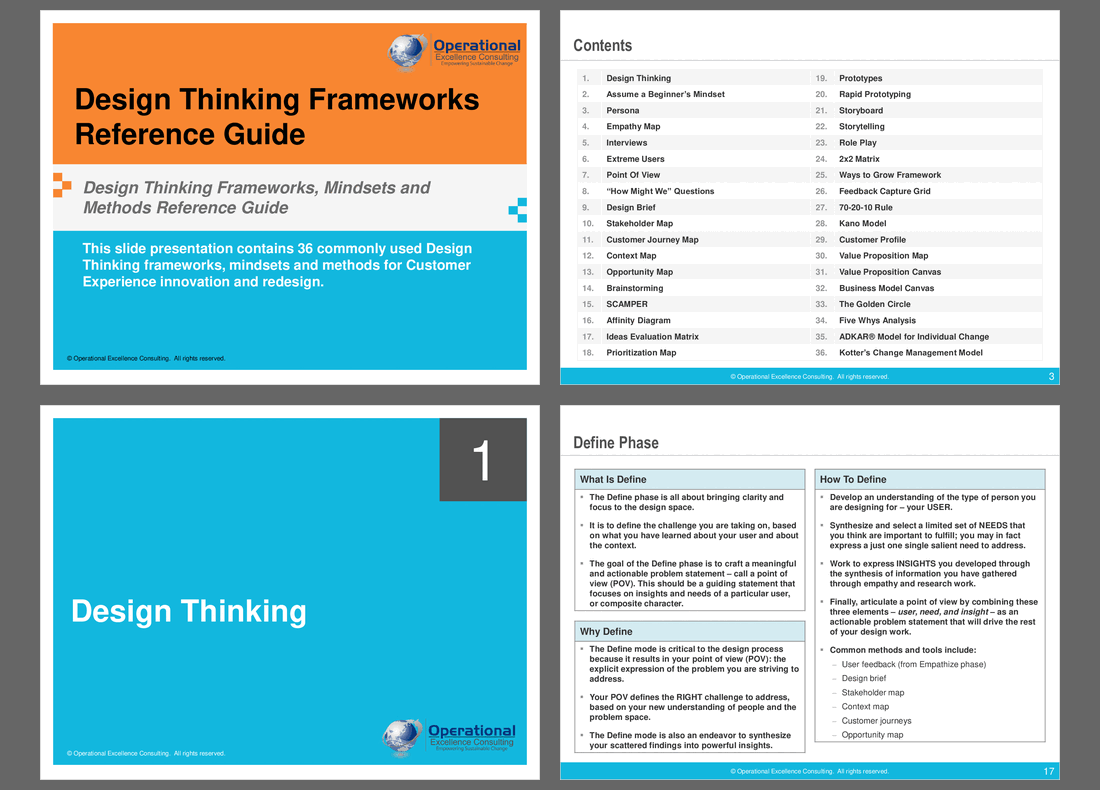

This comprehensive presentation covers 36 common Design Thinking frameworks, mindsets and methods for Customer Experience innovation and redesign.

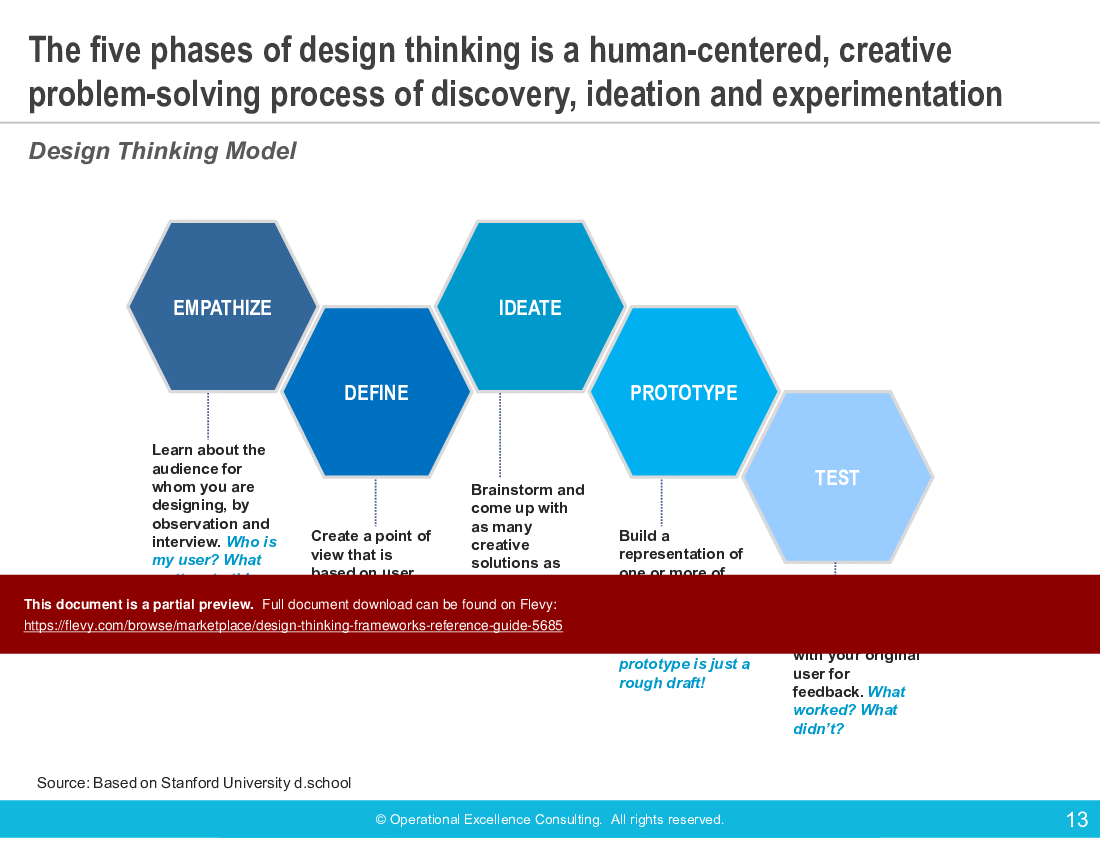
Each design framework in this deck covers the five phases of Design Thinking: Empathize, Define, Ideate, Prototype, and Test.
INCLUDED FRAMEWORKS & METHODOLOGIES
1. Design Thinking
2. Assume a Beginner's Mindset
3. Persona
4. Empathy Map
5. Interviews
6. Extreme Users
7. Point Of View
8. "How Might We" Questions
9. Design Brief
10. Stakeholder Map
11. Customer Journey Map
12. Context Map
13. Opportunity Map
14. Brainstorming
15. SCAMPER
16. Affinity Diagram
17. Ideas Evaluation Matrix
18. Prioritization Map
19. Prototypes
20. Rapid Prototyping
21. Storyboard
22. Storytelling
23. Role Play
24. 2x2 Matrix
25. Ways to Grow Framework
26. Feedback Capture Grid
27. 70-20-10 Rule
28. Kano Model
29. Customer Profile
30. Value Proposition Map
31. Value Proposition Canvas
32. Business Model Canvas
33. The Golden Circle
34. Five Whys Analysis
35. ADKAR Model for Individual Change
36. Kotter's Change Management Model
These frameworks and templates are used in many design firms. With this comprehensive document in your back pocket, you can find a way to address just about any problem or design challenge that can arise in your organization.
The level of detail varies by framework, depending on the nature of the model. Examples and templates are provided.
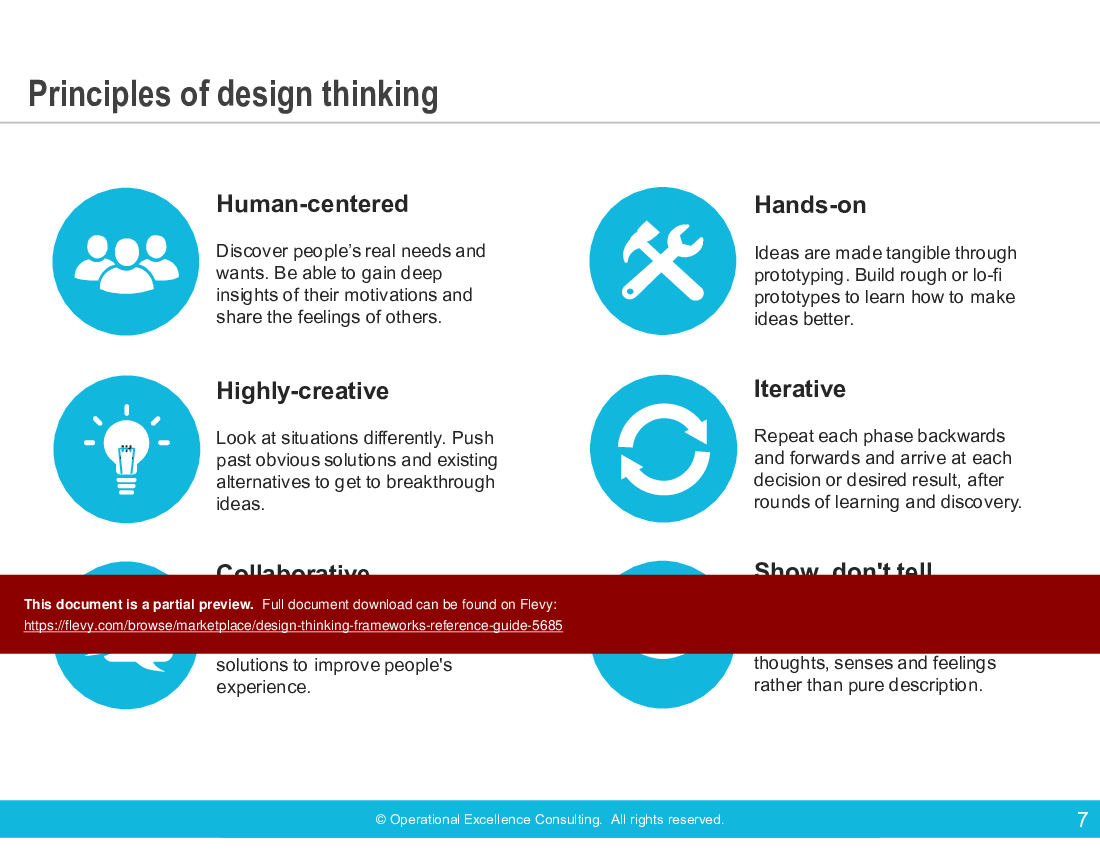
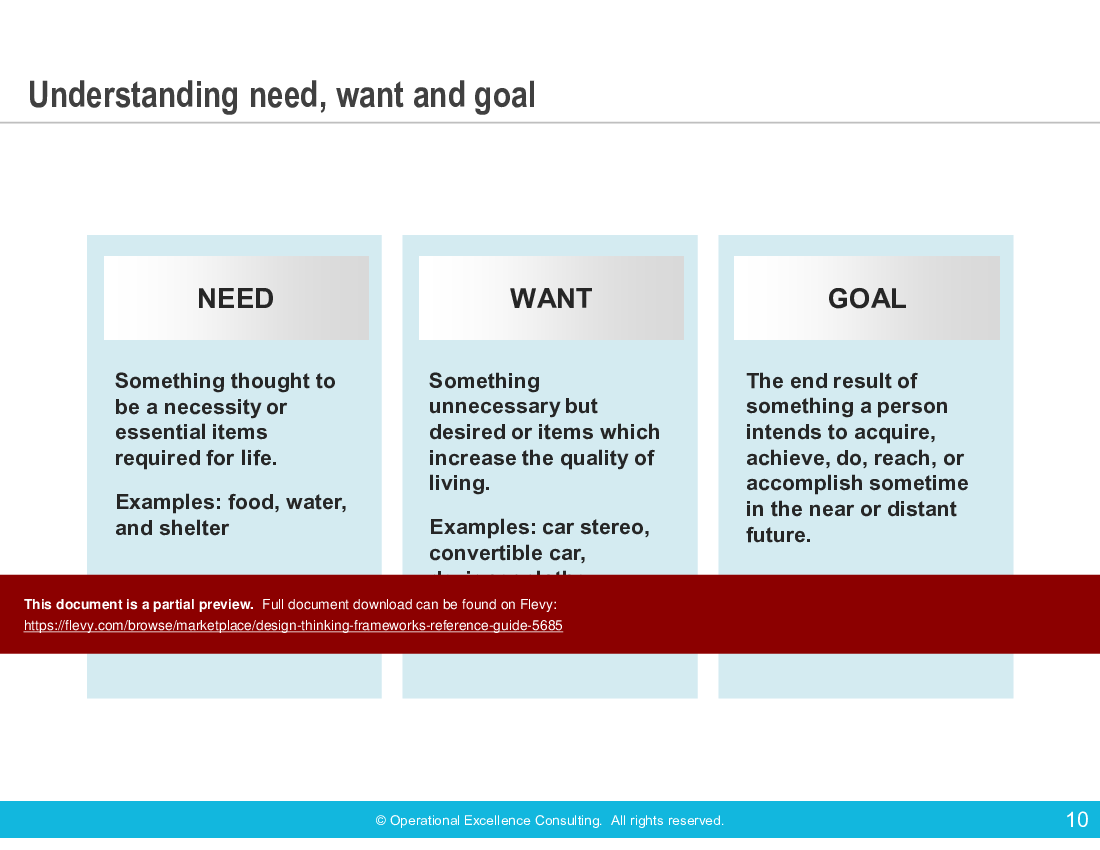
The guide delves into the principles of design thinking, emphasizing a human-centered, hands-on, and iterative approach. It encourages looking at situations from new perspectives, pushing past obvious solutions, and fostering collaboration. The PPT also breaks down the concepts of need, want, and goal, providing clear definitions and examples to help you understand and prioritize user requirements.
Detailed phases such as Empathize, Define, Ideate, Prototype, and Test are thoroughly explained. Each phase includes practical methods and tools, from empathy maps and personas to brainstorming techniques and prototyping strategies. This guide is designed to equip you with actionable insights and practical frameworks to drive innovation and solve complex problems within your organization.
Got a question about the product? Email us at support@flevy.com or ask the author directly by using the "Ask the Author a Question" form. If you cannot view the preview above this document description, go here to view the large preview instead.
Executive Summary
The Design Thinking Frameworks Reference Guide is a comprehensive resource designed to enhance customer experience innovation and redesign. Created by a seasoned Design Thinking expert, this presentation outlines 36 essential frameworks, mindsets, and methods that facilitate a deep understanding of customer needs. Users will learn to apply techniques such as Empathize, Define, Ideate, Prototype, and Test, alongside tools like Customer Journey Maps and the Value Proposition Canvas. This guide empowers organizations to foster innovation and improve customer satisfaction effectively.
Who This Is For and When to Use
• Product Managers seeking to enhance user experience through structured methodologies
• UX/UI Designers aiming to integrate customer feedback into design processes
• Change Management Leaders implementing new strategies for customer engagement
• Business Analysts focused on identifying customer needs and pain points
Best-fit moments to use this deck:
• During workshops aimed at redesigning customer experiences
• In training sessions for teams adopting Design Thinking methodologies
• When developing new products or services that require a customer-centric approach
Learning Objectives
• Define the core principles of Design Thinking and its application in various contexts
• Build empathy with users through effective research techniques
• Establish actionable problem statements using the Point of View (POV) framework
• Generate innovative solutions through structured ideation processes
• Create tangible prototypes to test concepts and gather user feedback
• Evaluate and refine ideas based on customer insights and feedback
Table of Contents
• Design Thinking (page 5)
• Assume a Beginner’s Mindset (page 28)
• Persona (page 31)
• Empathy Map (page 42)
• Interviews (page 53)
• Extreme Users (page 62)
• Point Of View (page 66)
• “How Might We” Questions (page 73)
• Design Brief (page 82)
• Stakeholder Map (page 88)
• Customer Journey Map (page 96)
• Context Map (page 113)
• Opportunity Map (page 118)
• Brainstorming (page 122)
• SCAMPER (page 126)
• Affinity Diagram (page 129)
• Prioritization Map (page 137)
• Idea Evaluation Matrix (page 141)
• Prototypes (page 147)
• Rapid Prototyping (page 156)
• Storyboard (page 160)
• Storytelling (page 167)
• Role Play (page 174)
• 2x2 Matrix (page 177)
• Ways to Grow Framework (page 189)
• Feedback Capture Grid (page 193)
• 70-20-10 Rule (page 198)
• The Kano Model (page 205)
• Customer Profile (page 214)
• The Value Proposition Map (page 225)
• Value Proposition Canvas (page 237)
• Business Model Canvas (page 258)
• The Golden Circle (page 281)
• Five Whys Analysis (page 289)
• ADKAR® Model (page 301)
• Kotter’s Eight Phases of Change (page 313)
Primary Topics Covered
• Design Thinking - A structured approach for creative problem-solving that focuses on understanding customer needs and generating innovative solutions.
• Empathy Map - A tool for synthesizing user observations to gain deeper insights into customer emotions and behaviors.
• Customer Journey Map - A visualization of the customer experience that highlights touchpoints and emotional responses throughout the journey.
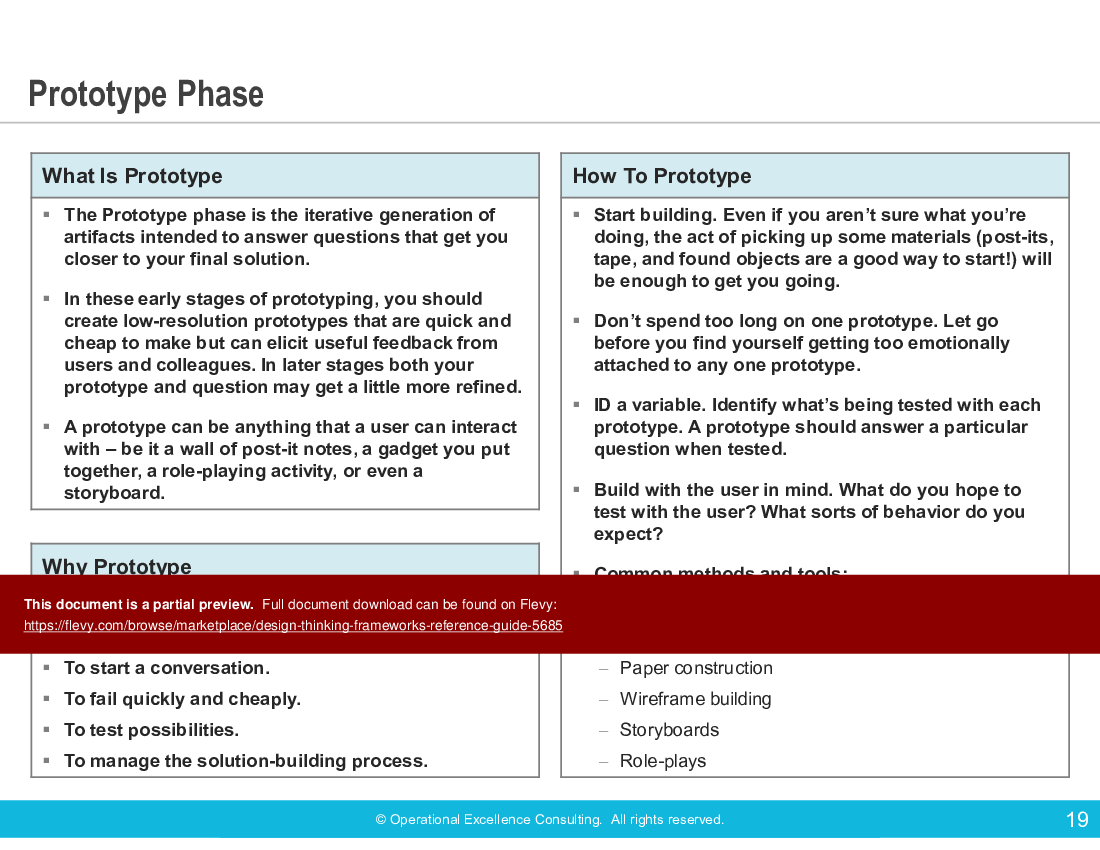
• Prototypes - Iterative representations of ideas used to communicate concepts and gather user feedback.
• Kano Model - A framework for prioritizing features based on customer satisfaction and emotional responses.
• Value Proposition Canvas - A tool to align products and services with customer needs, pains, and gains.
Deliverables, Templates, and Tools
• Customer Journey Map template for visualizing user interactions
• Empathy Map template for synthesizing user insights
• Persona template for defining target customer segments
• Feedback Capture Grid for organizing user feedback
• Prioritization Map for assessing ideas based on ease of implementation and user benefit
• SCAMPER framework for generating innovative ideas
Slide Highlights
• Overview of Design Thinking principles emphasizing human-centered design
• Visual representation of the 5 phases of the Design Thinking process
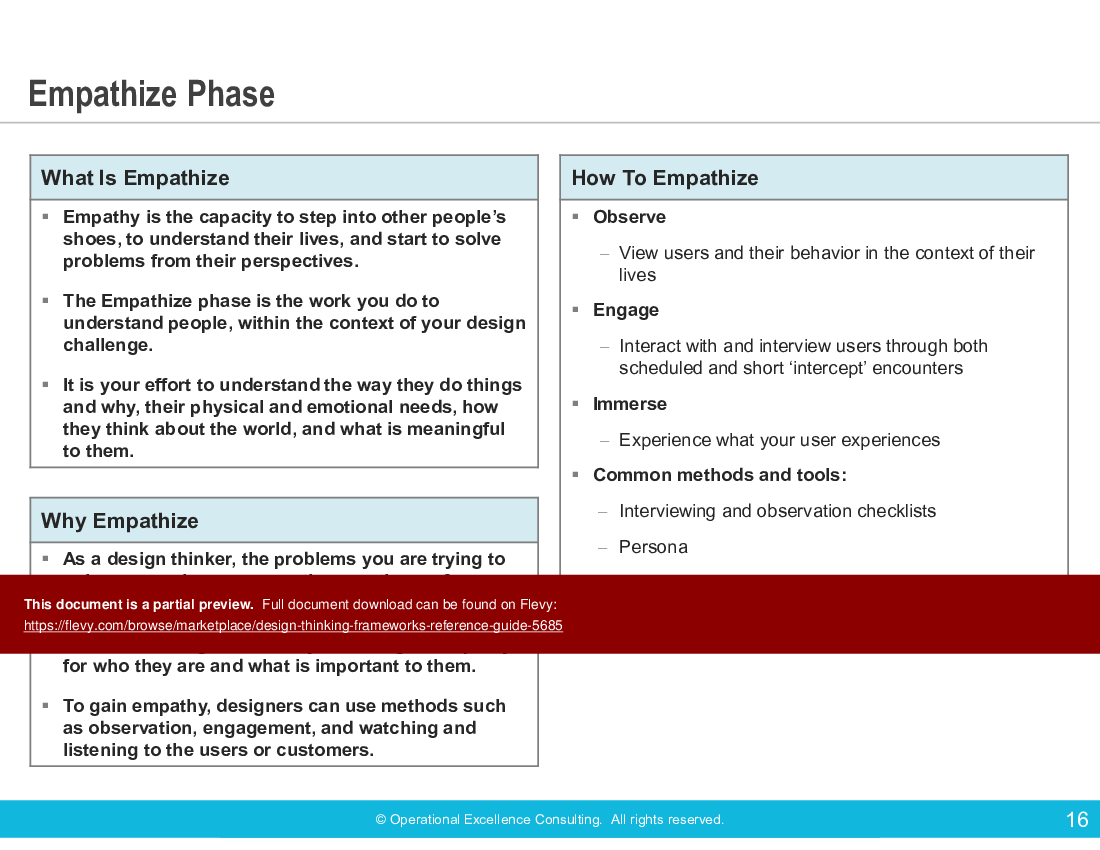
• Examples of Empathy Maps illustrating customer emotions and behaviors
• Case studies demonstrating the application of the Kano Model in product development
• Templates for creating Personas and Customer Journey Maps
Potential Workshop Agenda
Introduction to Design Thinking (30 minutes)
• Overview of Design Thinking principles and frameworks
• Discussion on the importance of empathy in design
Empathy and User Research (60 minutes)
• Hands-on activity: Creating Empathy Maps
• Group exercise: Conducting user interviews
Ideation and Prototyping (90 minutes)
• Brainstorming session using “How Might We” questions
• Rapid prototyping activity with feedback sessions
Evaluating and Refining Ideas (60 minutes)
• Using the Kano Model to prioritize features
• Group discussion on refining value propositions
Customization Guidance
• Tailor the templates to reflect your organization's branding and specific customer segments
• Adjust the frameworks to align with your industry-specific challenges and goals
• Incorporate real user feedback into the Empathy Maps and Customer Journey Maps
Secondary Topics Covered
• Storytelling techniques for effective communication of design concepts
• Role-playing scenarios to simulate user interactions with products
• The importance of stakeholder mapping in the design process
• Strategies for engaging extreme users to uncover unique insights
FAQ
What is Design Thinking?
Design Thinking is a human-centered approach to innovation that focuses on understanding user needs and developing creative solutions through iterative processes.
How can I apply the frameworks in my organization?
These frameworks can be customized to fit your organization's specific context and challenges, allowing teams to foster innovation and improve customer experiences.
What tools are included in the guide?
The guide includes templates for Empathy Maps, Customer Journey Maps, Personas, and various brainstorming techniques to facilitate the design process.
How do I ensure stakeholder engagement?
Utilize the Stakeholder Map to identify key players and their interests, ensuring effective communication and collaboration throughout the design process.
What is the Kano Model?
The Kano Model is a framework that categorizes customer preferences into 3 types: Threshold, Performance, and Excitement attributes, helping prioritize product features based on customer satisfaction.
How can I measure the success of my design initiatives?
Establish clear metrics related to customer satisfaction, engagement, and business outcomes to evaluate the effectiveness of your design solutions.
What is the purpose of the Value Proposition Canvas?
The Value Proposition Canvas helps align your products and services with customer needs, ensuring that you create value that resonates with your target audience.
How do I create a Customer Journey Map?
Start by defining the customer persona, then outline the stages of their journey, including goals, actions, thoughts, feelings, and opportunities for improvement.
Glossary
• Design Thinking - A methodology for solving complex problems through a human-centered approach.
• Empathy Map - A tool for visualizing user insights and emotions.
• Customer Journey Map - A representation of the customer experience across various touchpoints.
• Prototyping - The process of creating tangible representations of ideas for testing and feedback.
• Kano Model - A framework for prioritizing product features based on customer satisfaction.
• Value Proposition - The unique value a product or service offers to customers.
• Persona - A semi-fictional representation of a target customer segment.
• Stakeholder Map - A visual representation of all stakeholders involved in a project.
• Feedback Capture Grid - A tool for organizing feedback from users and stakeholders.
• SCAMPER - A brainstorming technique for generating ideas by modifying existing products or services.
• Affinity Diagram - A method for organizing ideas and data into related groups.
• Prioritization Map - A visual tool for assessing ideas based on ease of implementation and user benefit.
• ADKAR Model - A framework for managing organizational change, focusing on individual outcomes.
• Kotter’s Eight Phases of Change - A systematic approach to implementing change within organizations.
• Five Whys - A root cause analysis technique that involves asking "why" multiple times to uncover underlying issues.
• Opportunity Map - A tool for identifying areas of opportunity in the market.
• Context Map - A visualization of external factors affecting a product or service.
• Ways to Grow Framework - A method for assessing the difficulty of implementing design solutions.
Source: Best Practices in Service Design PowerPoint Slides: Design Thinking Frameworks Reference Guide PowerPoint (PPTX) Presentation Slide Deck, Operational Excellence Consulting
This document is available as part of the following discounted bundle(s):
Save %!
Business Frameworks Reference Guide
This bundle contains 4 total documents. See all the documents to the right.
|
Download our FREE Strategy & Transformation Framework Templates
Download our free compilation of 50+ Strategy & Transformation slides and templates. Frameworks include McKinsey 7-S, Balanced Scorecard, Disruptive Innovation, BCG Curve, and many more. |